
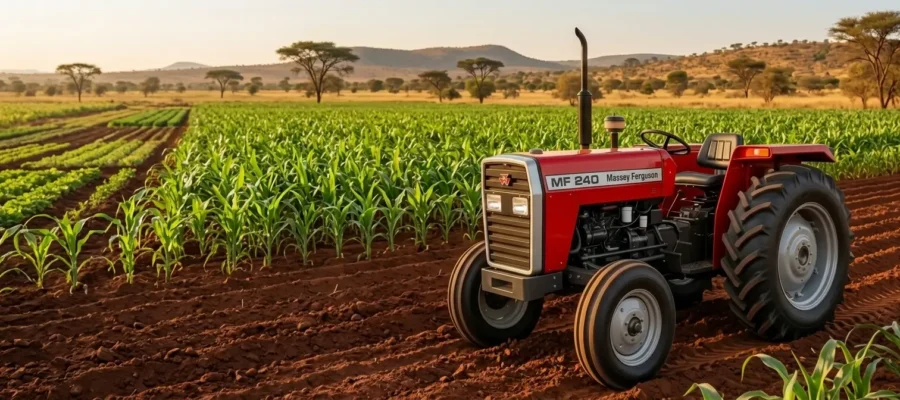
Tractors have significantly boosted Zambia’s agricultural economy by increasing productivity, reducing labor costs, and enabling farmers to cultivate larger areas of land in less time. This mechanization shift is helping smallholder and commercial farmers alike improve yields and strengthen food security across the country.
Why Does Mechanization Matter for Zambian Farmers?
Agriculture remains the backbone of Zambia’s economy, employing a significant share of the rural workforce. Traditional hand-tool farming, while historically dominant, limits how much land a farmer can till, plant, and harvest within a single season. Tractors change this equation entirely, allowing farmers to complete tasks in hours that would otherwise take days with manual labor.
By reducing the physical burden of farming, mechanization also frees up household labor for other income-generating activities, contributing to broader rural economic development.
How Do Tractors Increase Agricultural Productivity in Zambia?
Tractors increase productivity by enabling faster land preparation, precise planting, and timely harvesting—all critical factors in maximizing crop yields. Delays caused by manual labor often mean missed planting windows, which directly affect harvest size.
Key productivity benefits include:
- Faster land preparation: Ploughing and tilling that once took weeks can now be completed in days.
- Expanded cultivation area: Farmers can till more land, increasing overall output.
- Reduced post-harvest losses: Timely harvesting reduces crop spoilage in the field.
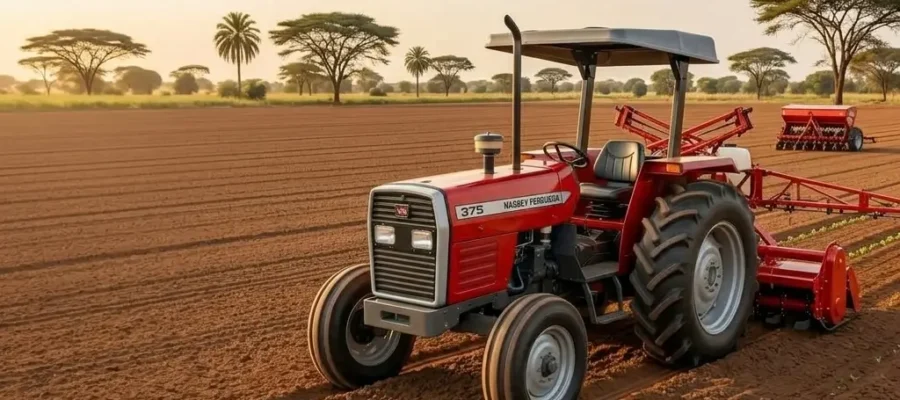
- Compatibility with implements: Tractors like those in the Massey Ferguson range work with disc ploughs, mould board ploughs, and offset disc harrows to further improve efficiency.
What Economic Benefits Do Tractors Bring to Rural Communities?
Tractors bring tangible economic benefits by lowering per-hectare production costs and increasing farm income over time. While the upfront investment is considerable, the long-term savings on labor and the increase in cultivated land often outweigh the initial cost.
Mechanization also creates secondary economic activity, including demand for spare parts, servicing, and skilled technicians—jobs that support local economies beyond the farm gate.
Which Tractor Models Suit Zambia’s Farming Conditions?
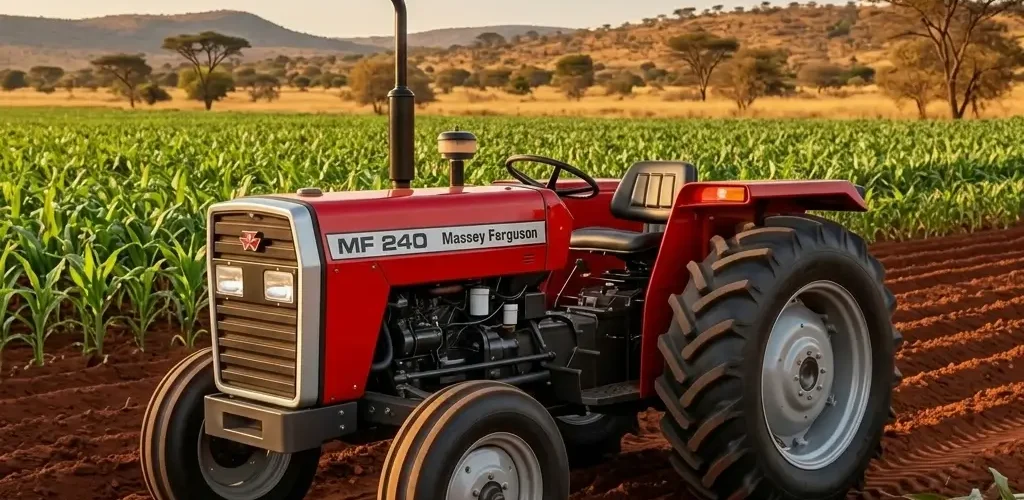
The right tractor depends on farm size, soil type, and terrain. Smallholder farmers working 2 to 15 acres are typically well served by 50–60hp models, while medium to large commercial operations benefit from 75–85hp tractors with 4WD capability for heavier soils. Massey Ferguson Zambia supplies a full range, from the 50hp MF 240 to the 85hp MF 385, matched to Zambian farming conditions.
Frequently Asked Questions
How much can a tractor reduce farming labor costs in Zambia?
While exact savings vary by farm size and crop type, mechanization typically reduces the need for hired manual labor during land preparation and harvesting, lowering overall operating costs.
Are tractors affordable for smallholder farmers in Zambia?
Entry-level models such as 50hp tractors are designed to be accessible to smallholder farmers, balancing affordability with the power needed for tillage and transport.
Do tractors help with Zambia’s staple crops like maize?
Yes, tractors support maize, wheat, soya, and mixed farming by speeding up planting and harvesting, which is especially valuable given Zambia’s seasonal rainfall patterns.

Related Posts

Post a Comment